
Metal Roofing for Commercial Buildings: Is It Worth the Investment?

A Worthy Investment? Metal Roofing for Commercial Building
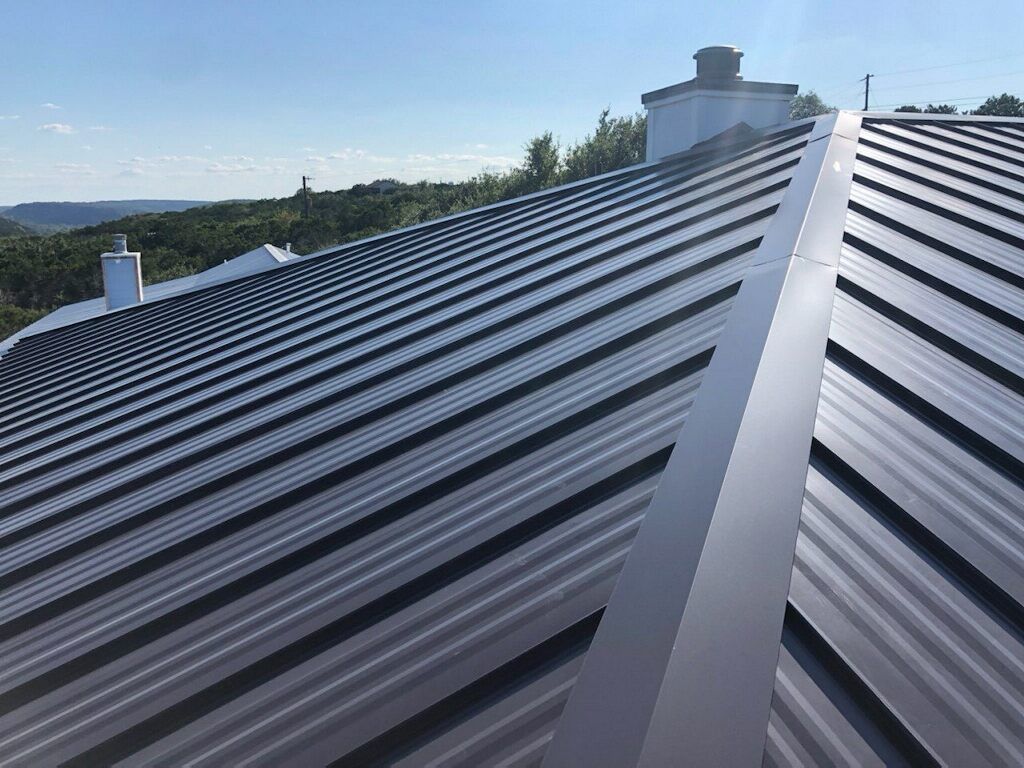
When it comes to roofing options for commercial buildings, metal roofing has emerged as a popular choice among property owners and managers. Known for its durability, energy efficiency, and aesthetic appeal, metal roofing offers a range of benefits that can make it a worthwhile investment. At Graduate Contracting, we specialize in providing high-quality roofing solutions tailored to the unique needs of commercial properties. In this blog, we’ll explore the advantages of metal roofing and help you determine if it’s the right choice for your building.


1. Exceptional Durability

One of the most significant advantages of metal roofing is its durability. Metal roofs are designed to withstand harsh weather conditions, including heavy rain, snow, hail, and high winds. Unlike traditional roofing materials, metal does not crack, warp, or rot, making it an excellent long-term investment. With proper installation and maintenance, a metal roof can last 40 to 70 years, significantly outlasting many other roofing materials.


2. Energy Efficiency

Metal roofing is known for its energy efficiency. Many metal roofs are coated with reflective materials that help to reflect solar heat away from the building. This can lead to lower cooling costs during the hot summer months, making your commercial space more comfortable for occupants and reducing energy expenses. In fact, studies have shown that metal roofs can reduce energy costs by up to 25% compared to traditional roofing materials.


3. Low Maintenance Requirements

Another advantage of metal roofing is its low maintenance requirements. Once installed, metal roofs require minimal upkeep compared to other roofing options. Regular inspections and occasional cleaning are usually sufficient to keep the roof in good condition. This low-maintenance aspect can save property owners time and money in the long run.


4. Fire Resistance

Metal roofing is inherently fire-resistant, making it a safer option for commercial buildings. In the event of a fire, metal roofs do not ignite or contribute to the spread of flames, providing an added layer of protection for your property and its occupants. This fire resistance can also lead to lower insurance premiums for commercial property owners.


5. Aesthetic Versatility

Metal roofing comes in a variety of styles, colors, and finishes, allowing property owners to choose an option that complements their building’s architecture. Whether you prefer a sleek, modern look or a more traditional appearance, metal roofing can enhance the overall aesthetic of your commercial property. Additionally, metal roofs can be designed to mimic the appearance of other materials, such as shingles or tiles, providing versatility in design.


6. Sustainability

For environmentally conscious property owners, metal roofing is an eco-friendly option. Many metal roofs are made from recycled materials and are themselves recyclable at the end of their life cycle. Additionally, the energy efficiency of metal roofing can contribute to a reduced carbon footprint, making it a responsible choice for sustainable building practices.


7. Cost Considerations

While the initial cost of metal roofing may be higher than traditional materials, it’s essential to consider the long-term savings. The durability, energy efficiency, and low maintenance requirements of metal roofs can lead to significant cost savings over time. When evaluating the total cost of ownership, metal roofing often proves to be a wise investment.


Conclusion

Metal roofing offers numerous advantages for commercial buildings, including exceptional durability, energy efficiency, low maintenance, and aesthetic versatility. While the initial investment may be higher, the long-term benefits make it a worthwhile consideration for property owners looking to protect their investment and enhance their building’s value.

At Graduate Contracting, we specialize in providing high-quality metal roofing solutions tailored to the unique needs of commercial properties. If you’re considering a metal roof for your building, contact us today for a free estimate! Our experienced team is here to help you make an informed decision and ensure your commercial property remains protected for years to come.

A two-story suburban house with brick and siding, a front porch, and an attached two-car garage under a dark roof.
April 8, 2026
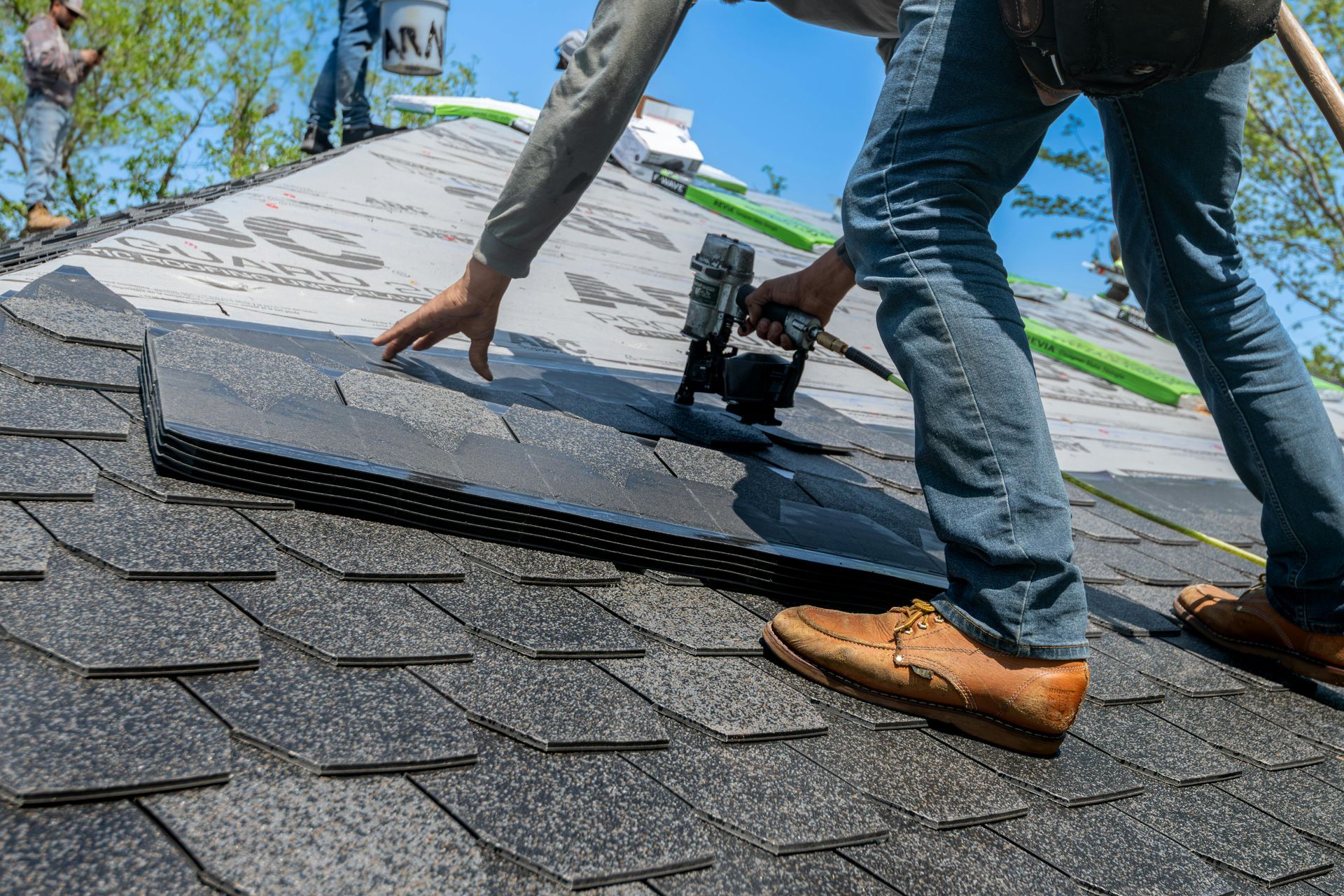
You get two roofing estimates. Same house. Same general scope. One comes in at $8,000. The other is $16,000. At first glance, it feels like an easy decision. It is not. In roofing, large price gaps usually are not random. They come from real differences in materials, labor, scope, and how thoroughly the job is being approached. The problem is that most of those differences are not obvious on a one-page estimate. Here is what is usually behind that kind of spread. Materials Are Not All the Same Not all shingles are created equal, even if they look similar from the ground. There is a wide range between basic three-tab shingles and higher-end architectural or impact-resistant options. The difference is not just aesthetic. It affects lifespan, durability, and how the roof holds up to heat, wind, and hail. Underlayment also matters more than most homeowners realize. Synthetic underlayments, ice-and-water barriers, and upgraded components cost more but provide better protection, especially in vulnerable areas like valleys and penetrations. An $8,000 estimate may be built around entry-level materials. A $16,000 estimate may include upgraded systems designed to last longer and perform better in real conditions. Labor and Crew Quality Labor is one of the biggest variables in roofing. Experienced crews cost more. They work more efficiently, make fewer mistakes, and tend to pay closer attention to the details that actually prevent leaks. Lower-cost bids often rely on less experienced labor or crews that are moving quickly from job to job. That difference does not always show up immediately. It shows up later in the form of callbacks, repairs, or problems that should not have happened in the first place. You are not just paying for shingles to be installed. You are paying for how well that installation is done. What Is Included (and What Is Not) This is where a lot of estimates start to diverge. One contractor may include a full tear-off, disposal, decking inspection, flashing replacement, and ventilation adjustments. Another may be quoting the minimum required to get a new roof on the house. Flashing is a common example. It is one of the most important parts of a roofing system and one of the easiest places to cut corners. Replacing it properly takes time and material. Reusing old flashing saves money upfront but increases the risk of leaks later. Cleanup, permits, warranty coverage, and even how thoroughly the roof is inspected before work begins can all vary between bids. Two estimates that look similar at the top level can be very different once you get into the details. Risk, Insurance, and Accountability Legitimate roofing companies carry proper insurance, follow local codes, and stand behind their work. That comes with real costs. Lower bids sometimes come from contractors cutting corners on insurance, skipping permits, or operating with minimal overhead. That may not matter until something goes wrong. If there is property damage, a worker injury, or a major issue with the roof after installation, those differences become very real, very quickly. Higher bids often reflect a company that is structured to handle those risks and still be there if you need them later. Speed vs. Process Some crews are built for volume. They move fast, complete jobs quickly, and keep costs down through efficiency and scale. Others take a more methodical approach. They spend more time on prep, detail work, and quality control. That adds cost, but it also tends to reduce long-term problems. Neither approach is automatically right or wrong, but they are not the same product. Remember A $16,000 estimate is not always better. An $8,000 estimate is not always a mistake. But they are almost never equal. The real question is not “why is one cheaper?” It is “what am I getting, and what am I not?” A good contractor should be able to walk you through their estimate in plain terms, explain where the cost comes from, and show you exactly what is included. If that conversation is clear and transparent, the price starts to make a lot more sense. And when it comes to something as critical as your roof, understanding those differences is usually worth more than picking the lowest number.
A close-up, low-angle view of textured brown and black asphalt roof shingles with a shallow depth of field.
April 1, 2026
Roof granules protect your shingles from sun and weather damage. Learn what causes granule loss, what’s normal, and when it’s a sign your roof may need attention.