How to Prepare Your Home (and Your Pets) for a Roof Replacement
A roof replacement is one of the most disruptive home projects you can take on.
Not because it is complicated for you, but because it is loud, fast-moving, and happens directly above your head.
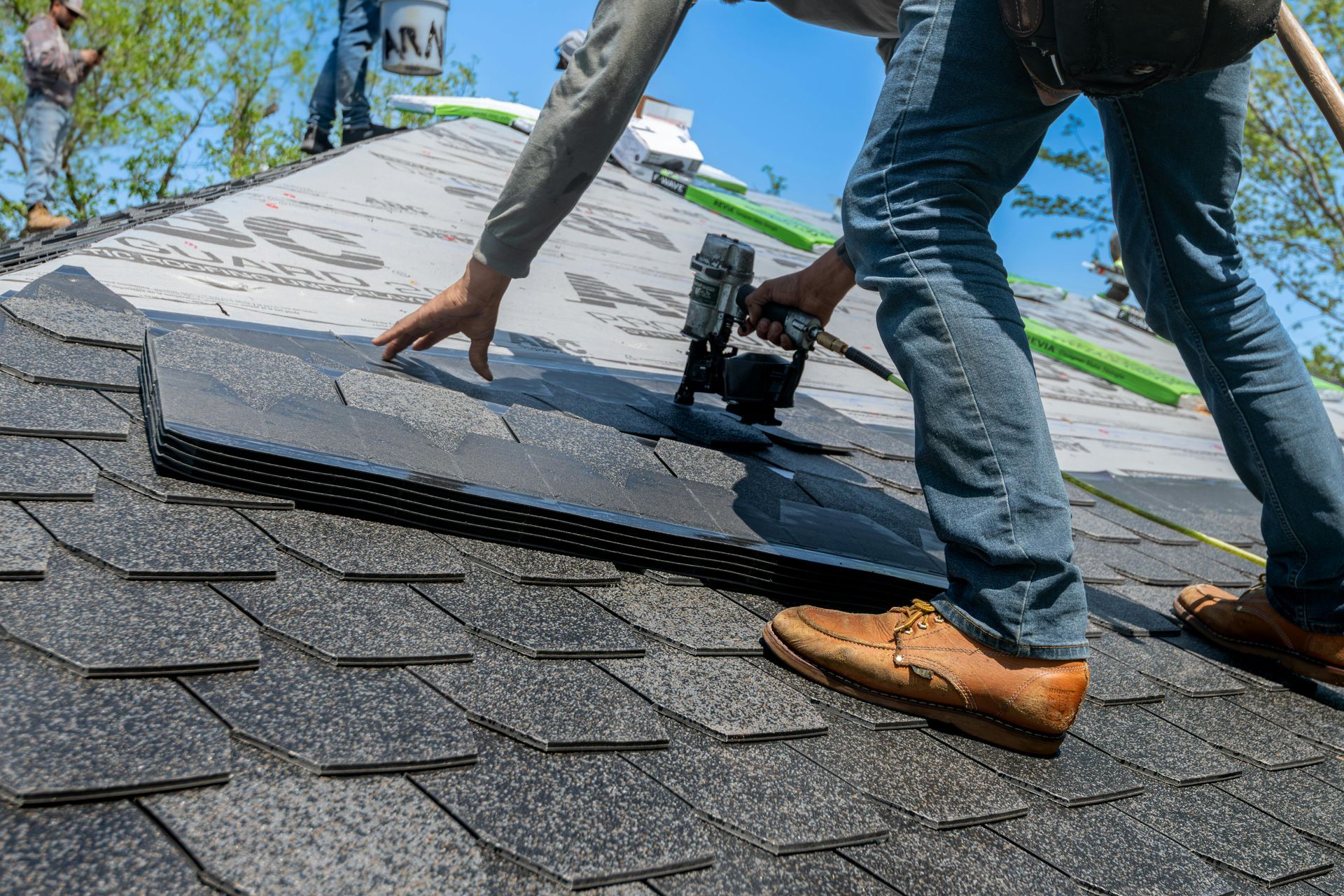
For a day or two, your house turns into an active job site. There is constant noise, vibrations, crews moving around your property, and materials coming on and off the roof.
If you are not prepared for that, it can catch you off guard.
Start With Expectations
The biggest mistake homeowners make is assuming it will feel like a typical home service appointment. It will not.
A full roof replacement means:
- Repeated hammering and nail gun noise
- Shingles and debris being removed and dropped
- Crews walking the roof throughout the day
- Occasional vibrations that carry through ceilings and walls
Even a well-run job is intense while it is happening. The goal is not to eliminate that disruption. It is to plan around it so it does not become a problem.
Inside the House: Small Adjustments That Matter
You do not need to leave your home during a roof replacement, but you may want to think carefully about how you use your space that day.
Rooms directly under the roof will be the loudest. If you work from home, take calls, or need quiet, it is worth planning ahead.
A few simple adjustments help more than people expect:
- Move anything fragile off walls and shelves, especially in upper rooms
- Expect light fixtures or ceiling-mounted items to vibrate slightly
- Avoid scheduling important meetings or calls during active work hours
Most of the disruption is temporary, but planning for it makes the day far less stressful.
Outside: Clear the Work Zone
Your roofing crew needs space to work efficiently and safely.
That means your yard and driveway will temporarily become part of the job site.
Focus on anything that could get in the way or get damaged:
- Move vehicles out of the driveway and away from the house
- Clear patio furniture, grills, or potted plants from the perimeter
- Take down or secure anything mounted near the roofline
Roofers will take precautions, but debris and nails are part of the process. Giving them room reduces risk and speeds everything up.
Your Pets Will Notice Everything
If the noise feels intense to you, it is overwhelming for your pets.
Dogs, in particular, often react to roof work as if something is wrong. The combination of unfamiliar people, constant movement, and loud overhead noise can create real stress.
Cats tend to hide. Dogs tend to panic. Neither handles it well by default.
This is where a little planning makes a big difference.
The Easiest Option: Get Them Out of the House
If you can, the simplest solution is to remove your pets from the situation entirely.
A day with a friend, a trip to daycare, or even a long outing keeps them away from the noise and confusion.
For many homeowners, this is the single easiest way to reduce stress for everyone involved.
If They Stay, Control the Environment
If your pets need to remain at home, give them a space that feels as normal and contained as possible.
- Choose an interior room away from the loudest areas
- Keep doors and windows closed to reduce noise and prevent escapes
- Use familiar bedding, toys, or crates to create a sense of security
It will not eliminate the noise, but it can keep it from escalating into panic.
Plan for Safety, Not Just Comfort
Roofing crews move quickly, and doors or gates may be opened more often than usual.
Even well-behaved pets can slip out in that kind of environment.
Before work begins, double-check:
- Gates are secured
- Pets are not left in areas with easy outdoor access
- The crew knows if animals are on the property
It is a small step, but it prevents the kind of problem that turns a routine job into a bad day.
The Payoff: A Short Disruption, Long-Term Protection
A roof replacement is disruptive, but it is also temporary. Most jobs are completed in a day or two. The noise stops. The crew leaves. Your home goes back to normal. What remains is a roof that is built to handle the next decade or more of weather, heat, and storms.
Preparation does not change the scope of the work. It just makes the experience smoother while it is happening. And when you know what to expect, it is a lot easier to get through it without surprises.