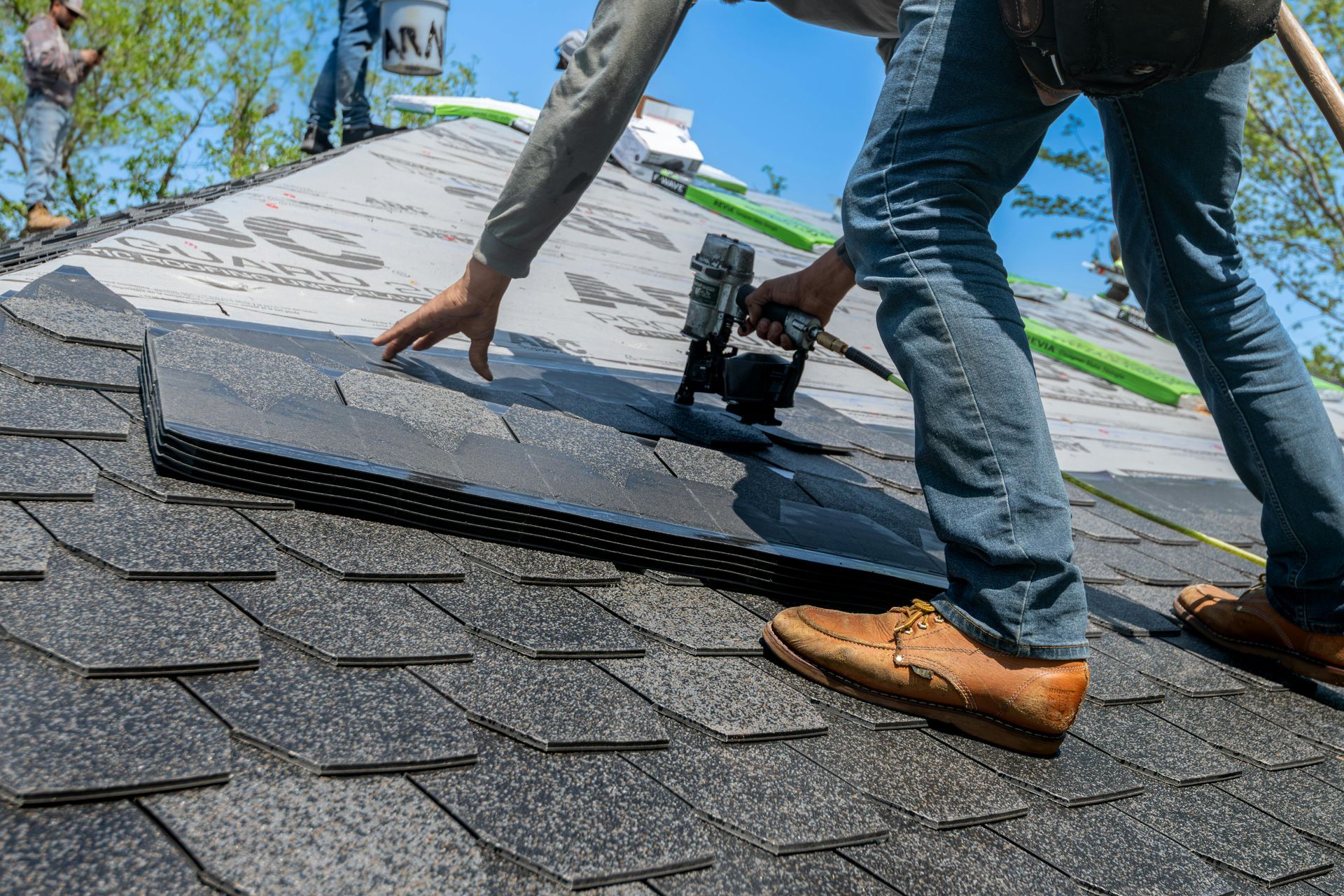
The Real Cost of Delaying Roof Repairs
It’s easy to put off a roof repair. Maybe the leak is small. Maybe the stain hasn’t grown. Maybe you’re hoping it can wait until next season.
But when it comes to roofing, delay is almost always the most expensive decision.
What starts as a minor issue like a cracked shingle, lifted flashing, or small puncture can quietly escalate into structural damage, mold growth, and even insurance complications. The true cost of delaying roof repairs isn’t just the repair itself. It’s everything that happens while you wait.
The $300 Problem That Becomes $12,000
Many roof repairs are relatively minor when caught early.
Replacing a few damaged shingles. Resealing flashing. Repairing a small vent boot. These are straightforward fixes. But when water penetrates your roofing system, it doesn’t stay in one place.
Here’s what typically happens over time:
Week 1–2:
Water seeps beneath shingles and underlayment. No visible interior damage yet.
Month 1–3:
Roof decking begins to soften. Insulation absorbs moisture, losing effectiveness. Mold spores may begin forming in dark attic spaces.
Month 6+:
Wood rot develops. Fasteners loosen. Ceiling stains appear. Drywall weakens. Electrical risks increase.
At this stage, you’re no longer looking at a simple roof repair. You’re facing decking replacement, insulation removal, mold remediation, and interior reconstruction.
That original “small issue” has now multiplied in scope ... and cost.
Hidden Damage Is the Real Threat
The most expensive problems are the ones you can’t see.
Water travels along rafters and framing before dripping downward. By the time you notice a ceiling stain, the moisture may have spread far beyond the visible area.
Common hidden consequences of delayed repairs include:
- Rotted roof decking
- Compromised structural framing
- Mold contamination in insulation
- Reduced attic ventilation performance
- Interior wall damage
In Texas, intense heat combined with moisture accelerates deterioration. Materials expand and contract daily, widening small gaps and allowing even more intrusion.
Delaying repair doesn’t pause the damage. It compounds it.
Insurance Doesn’t Cover Neglect
Another overlooked cost of waiting is insurance risk.
Homeowner policies are designed to cover sudden and accidental damage, not long-term neglect. If an adjuster determines that a leak was present for months without action, coverage may be reduced or denied.
Visible signs of prolonged water intrusion such as mold growth or extensive rot can raise red flags.
By addressing roof issues promptly, you not only limit structural damage but also protect your position if a future claim becomes necessary.
Energy Efficiency Takes a Hit
A compromised roof doesn’t just leak water — it leaks energy.
Wet insulation loses its R-value. Small openings in roofing materials allow conditioned air to escape. Ventilation systems can become less effective when moisture disrupts airflow.
The result? Higher energy bills and increased strain on your HVAC system.
Many homeowners don’t connect rising utility costs to minor roof damage — but the relationship is real.
Small Repairs Extend Roof Life
Every roofing system has an expected lifespan. But that lifespan depends heavily on maintenance.
Addressing minor issues quickly:
- Prevents widespread shingle failure
- Protects underlayment and decking
- Maintains proper water shedding
- Preserves manufacturer warranties
A roof that could have lasted 25–30 years may fail years early simply because small issues were ignored.
Proactive maintenance isn’t just about avoiding emergencies. It’s about protecting the full value of your investment.
The Cost of Peace of Mind
There’s also the stress factor.
Living with uncertainty — wondering if the next storm will make things worse — isn’t worth it. A professional inspection provides clarity. You’ll know whether the issue is minor, moderate, or urgent.
At Graduate Contracting, we approach repairs with transparency. If it’s a small fix, we’ll tell you. If it’s more involved, we’ll show you exactly why — with photo documentation and a clear scope of work.
Roof problems rarely fix themselves. But they almost always grow.
Addressing repairs early is one of the most financially responsible decisions a homeowner can make. What feels like saving money today can quickly become a much larger expense tomorrow.
Don’t let a small issue turn into a major restoration project. If you suspect damage, now is the time to act. Call us!